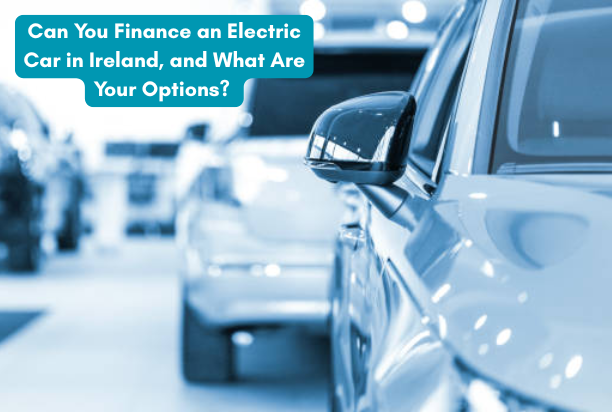
Yes, and you’ve got more routes than most buyers realise. Electric car finance in Ireland generally comes down to three options: hire purchase (HP), a personal contract plan (PCP), or a personal loan from a bank, credit union or dealer-arranged lender.
Think of it like housing. HP is the mortgage: you pay it off and the car’s yours. PCP is a long lease with a buy-out option at the end. A personal loan is turning up as a cash buyer, with a lender quietly standing behind you.
How Do Grants Change What You Borrow?
They shrink the amount you need to finance, which is the best saving available. The SEAI grant is €3,500 on new battery electric vehicles priced between €14,000 and €60,000, with the upper limit dropping to €50,000 from 31 July 2026. Your dealer applies for it and deducts it from the agreed price.
So if you’d otherwise finance an electric car in Ireland at a €40,000 list price, you’d borrow up to €3,500 less from day one. VRT relief can trim it further. Relief of up to €5,000 applies to cars with an open market selling price up to €40,000, tapering between €40,000 and €50,000, and it’s confirmed until 31 December 2026. It’s subject to annual Finance Acts, so check what applies on your registration date before you sign.
Smaller loan, smaller interest bill. It’s that simple.
Electric Car HP vs PCP Ireland: Which Suits You?
Here’s how the main EV car loan in Ireland options compare:
| Option | Do you own the car? | Monthly payments | At the end of the term |
| Hire purchase | Yes, after the final payment | Higher | Nothing more to pay |
| PCP | Only if you pay the final balloon payment | Lower | Pay it, hand the car back or trade up |
| Personal loan | Yes, immediately | Depends on term | Nothing more to pay |
The electric car HP vs PCP Ireland question usually comes down to how you drive and how long you’ll keep the car.
Choose HP if:
- You plan to keep the car for years
- You drive a lot of kilometres
- You want a fixed finish line with no big final decision
Choose PCP if:
- You like changing cars every three or four years
- You want lower monthly payments
- You stay inside the mileage limit
PCP carries a risk that’s specific to EVs. The final payment is the car’s guaranteed future value, set at the start. Battery technology moves quickly, and if used EVs lose value faster than expected, you could find the car’s worth less than that balloon payment. You’re protected only if you’re willing to hand the car back, and then mileage and condition charges can apply.
A personal loan or electric vehicle loan Ireland from a credit union can suit you if you’d rather own the car outright from day one and negotiate like a cash buyer. Dealers sometimes offer better prices to people who aren’t using in-house finance, so ask.
What Should You Check Before You Sign?
Work through this list before you commit:
- Total cost of credit. Compare the full amount you’ll repay, not just the monthly figure. A low payment over a long term can cost more overall.
- Deposit. A bigger deposit means a smaller loan and less interest.
- Mileage and condition terms. Check these closely on PCP, because excess charges add up.
- Battery warranty. Make sure it covers you for the whole finance term.
- Charging costs. Add a home charger, if you need one, to your budget.
- Affordability. Lenders must assess it, and approval isn’t guaranteed. Only borrow what you can comfortably repay each month.
Get quotes from at least three sources, including your own bank or credit union, before you step into a showroom. A car finance salesperson can only move on price when they know you’re comparing.
Ask each lender one question: “What’s the total I’ll repay?” The answer tells you more than any advert.
Frequently Asked Questions
- Can you finance a used electric car in Ireland?
Yes. HP, PCP and personal loans are generally available for used EVs too. The most important thing is that the SEAI grant and VRT relief are aimed at new battery electric cars, so a used EV won’t come with those savings built in. Check the battery’s health and remaining warranty before you commit.
- Can you pay off EV finance early?
Usually, yes, but terms vary by lender and agreement. Ask for a settlement figure in writing, and check whether an early repayment charge applies. It’s worth knowing this before you sign, not after you’ve got a bonus and want to clear the balance.

Erin Delaney is a financial writer and content strategist with strong hold on personal finance and lending related topics. She is well aware of the fact that talking about money or loans can be stressful for borrowers. To help them make informed financial decisions, she has dedicated her 10 years of her career in making complex topics like loans, bad credit, etc., easy to understand for them.
Her speciality is to write clear, informative and reader-friendly content. She keeps herself updated with the latest trends happening in the lending industry to deliver information that is useful for the borrowers.